Balanced & Complex bittersweet, herbal amaro
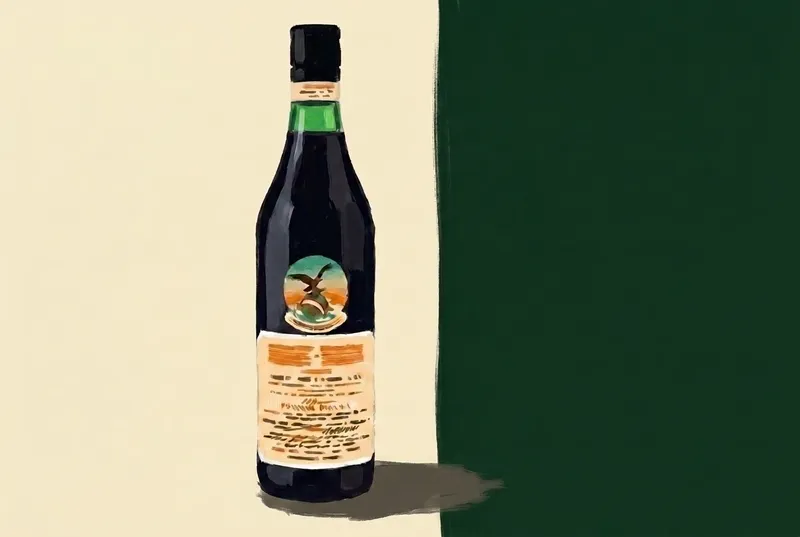
Fernet Branca
Italian digestif with intense herbal character
Historical Context
Milano since 1845, beloved Italian digestif
What Does Fernet Branca Taste Like?
Intensely bitter and cooling, dominated by menthol with myrrh, saffron, and a wall of herbs behind it. Bracing on first taste, it finishes on a dry aloe-and-gentian bitterness — the benchmark for bitter tolerance.
Recipes with Fernet Branca
Fernet and Coke
The Argentine national drink — a tall, icy mix of Fernet-Branca and Coca-Cola, known locally as fernandito
Fernet and IPA
The "bartender's handshake" — an ounce of Fernet-Branca with an IPA back
Hanky Panky
Gin and sweet vermouth cocktail with Fernet Branca
Toronto
Rye whiskey cocktail with Fernet Branca as starring ingredient
Fernet Tiramisu
Classic Italian tiramisu with Fernet-Branca in the espresso soak — an amaro-forward twist on the Veneto original
Rabbit Fernet
Two fernets, lemon and strawberry syrup over crushed ice
Guides
FAQ
Why do bartenders love Fernet Branca?
Fernet Branca became the unofficial handshake of the bartending industry, especially in the US and Argentina. Its intense menthol-and-herb flavor is polarizing to casual drinkers but valued by professionals as a palate cleanser and a test of bitter tolerance. It is often drunk as a shot at the end of a shift.
How do you drink Fernet Branca?
Traditionally as a digestif, served neat in a small glass after a meal. In Argentina it is mixed with Coca-Cola. In cocktails it appears in the Hanky Panky and the Toronto. Start with a small pour over ice if the neat experience is too intense.
What can I substitute for Fernet-Branca?
Other fernets are the natural swap: Luxardo Fernet, or craft bottlings like Letherbee, each a little less mentholated than Branca. In small doses, as in the Hanky Panky, another intensely herbal amaro can stand in, but nothing fully replicates Branca's menthol-and-saffron signature.
What is Fernet-Branca made of?
Fernet-Branca is a fernet-style amaro with a bracing menthol edge, made from around 27 herbs and botanicals: myrrh, rhubarb, chamomile, cardamom, and saffron among them. It is aged in oak and bottled at 39% ABV. Created in Milan in 1845, it is traditionally taken as a digestif.
Related Liqueurs
Bottles that share a flavor profile