Fernet Guide: The Bartender's Handshake
Fernet is drunk as a shot at the end of a bar shift, as a digestivo after dinner, and in Argentina mixed with Coca-Cola. In cocktails it is used in small measures, where a quarter of an ounce is enough to redirect the whole drink.
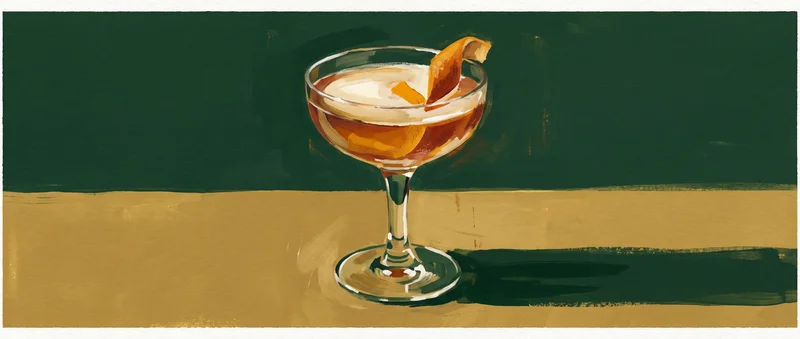
Fernet is a style of Italian bitter liqueur (amaro) characterized by intense menthol, myrrh, saffron, and medicinal herb flavors. It is the most aggressively bitter category of amaro, typically around 39-45% ABV with very low sugar content. Fernet Branca, made in Milan since 1845 from 27 herbs and spices, is the bottle that set the style. Branca says the full recipe is known to only one person at a time. Other producers make fernet-style liqueurs but Fernet Branca dominates the category.
Why do bartenders love fernet?
Fernet Branca became the unofficial handshake of the bartending industry, particularly in the United States and Argentina. Ordering or offering a shot of Fernet signals insider status. The tradition grew organically: bartenders used it as a palate cleanser between tasting drinks during service, and sharing a shot at the end of a shift became a bonding ritual. Its extreme bitterness also functions as a test of bitter tolerance. Drinking Fernet neat and enjoying it marks a palate that has come to appreciate the full spectrum of bitter flavors.
How do you drink fernet?
Traditionally, fernet is served neat as a digestif in a small glass after a meal. In Argentina, where Fernet Branca outsells Italy, the standard serve is mixed with Coca-Cola over ice in a ratio of about 1:3. This combination has become so popular that it is essentially Argentina's national drink. For those new to fernet, starting with the Coca-Cola mix or trying it as a cocktail ingredient is more approachable than the neat experience.
What cocktails use fernet?
The Toronto is the classic fernet cocktail: rye whiskey, Fernet Branca, simple syrup, and Angostura bitters, stirred and served up. The Hanky Panky, created by Ada Coleman at the Savoy in the 1920s, combines gin, sweet vermouth, and two dashes of Fernet Branca. In both drinks fernet acts as a potent modifier rather than the base, adding herbal depth without overwhelming the other ingredients. A few dashes of fernet also redirect a Manhattan or Negroni variation onto its menthol-and-herb backbone.
Is there more to fernet than Fernet Branca?
Fernet Branca dominates the category but alternatives exist. Fernet Branca Menta adds mint for a more approachable profile. Luxardo Fernet is softer and less mentholated. R. Jelinek produces a Czech fernet with a different herbal emphasis. In the US, craft producers like Tempus Fugit have created their own interpretations. However, when a recipe calls for fernet it almost always means Fernet Branca specifically. The brand and the style are nearly synonymous, much as Angostura defines aromatic bitters.
Explore more
Other Guides
French Gentian Aperitifs Guide: Suze, Salers and Bonal
Suze, Salers and Bonal: the gentian root behind French aperitifs, and the cocktails that carry it.
What Is an Aperitif? Meaning, Examples and How to Serve One
Aperitif meaning, pronunciation, and examples: the classic bottles, aperitif vs digestif, what glass to use, and easy aperitif cocktails like the Spritz.
Alpine Amari: Génépy, Braulio and Mountain Herb Liqueurs
Alpine amari and génépy: what mountain herb liqueurs are, where they come from, how a vino-amaro differs, and the bottles that define the style.