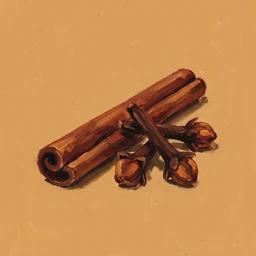
Aromatic warm baking spice
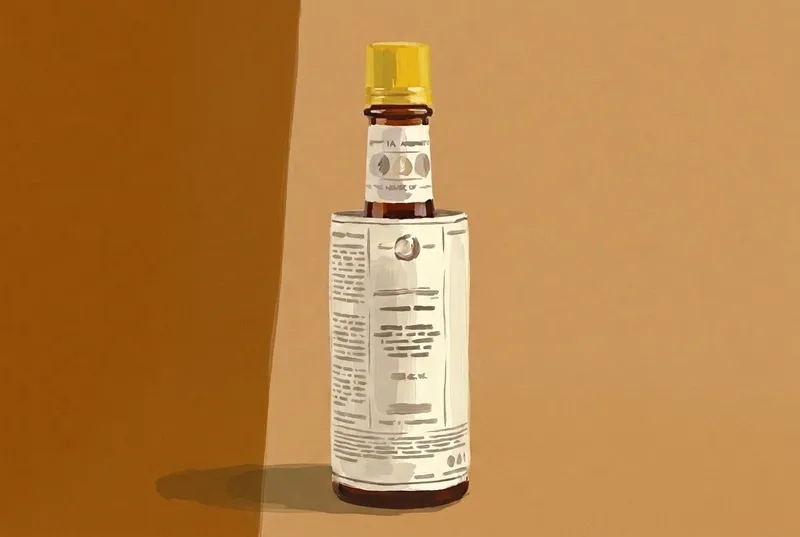
Aromatic Bitters by Angostura
The world's most famous aromatic bitters, essential for classic cocktails
Historical Context
Created in 1824 by Dr. Johann Siegert in Venezuela, moved to Trinidad in 1875
What Does Angostura Aromatic Bitters Taste Like?
Warm spice above everything: cinnamon and clove over bitter orange, with a herbal bitterness keeping the whole thing dry. Intensely concentrated, it reads as seasoning at two dashes and as medicine at ten.
Recipes with Angostura Aromatic Bitters
Angeleno Heights
A Californian amaro standing in for the vermouth in a whiskey cocktail
Angostura Whipped Cream
Lightly sweetened whipped cream perfumed with aromatic bitters — a Trinidadian topping for hot chocolate, pies, and coffee
Angostura and Soda
Trinidad's house drink: a heavy dose of bitters lengthened with soda
Champagne Cocktail
Sparkling wine cocktail with sugar and bitters
Hot Toddy
Warming whiskey cocktail with honey and lemon
Jäger Mule
German herbal mule with ginger beer
Guides
FAQ
What cocktails use Angostura Aromatic Bitters?
Angostura is essential in the Old Fashioned, Manhattan, and Champagne Cocktail. It also appears in the Trinidad Sour where it is used as the base spirit. Two or three dashes are the standard measure for most recipes.
Are Angostura bitters alcoholic?
Yes. Angostura Aromatic Bitters contain 44.7% ABV, which is higher than most spirits. However, they are used in such small quantities (a few dashes per drink) that the alcohol contribution to a cocktail is negligible.
Do Angostura bitters expire?
No. The high alcohol content preserves Angostura bitters indefinitely. An opened bottle stored at room temperature away from direct sunlight will maintain its flavor for many years. There is no need to refrigerate.
What can I substitute for Angostura bitters?
Any aromatic bitters substitute one-for-one: Fee Brothers Old Fashion, The Bitter Truth Old Time Aromatic, or a craft producer's aromatic blend. The drink will taste slightly different (Angostura's clove-forward profile is distinctive), but the structure survives. In recipes where Angostura is the base spirit, like the Trinidad Sour, there is no workable substitute.
What is in Angostura bitters?
The exact recipe has been a trade secret since 1824 and is reportedly known to only a handful of people. What is public: a high-proof spirit base, gentian root for bitterness, and a blend of spice botanicals. Despite the name, it contains no angostura bark — the bitters are named after the Venezuelan town where Dr. Johann Siegert first made them.
What do Angostura bitters taste like?
Concentrated baking spice over a bitter backbone: clove and cinnamon up front, allspice and dark botanical depth behind it. Straight from the bottle they are harsh and intensely bitter; in a drink, a few dashes bind the other ingredients together and add warmth rather than reading as a flavor of their own.
How do you pronounce Angostura?
An-gos-TOO-ra. The name comes from the Venezuelan town of Angostura (today Ciudad Bolívar), where the bitters were first compounded in 1824 — not from angostura bark, which is not an ingredient.
Is Angostura bitters the same as Angostura rum?
No. The House of Angostura in Trinidad makes both products: the famous aromatic bitters and a separate line of aged rums (including the 1919 and 1824 expressions). The bitters are a concentrated aromatic used by the dash; the rums are sipping and mixing spirits.
Related Bitters
Bottles that share a flavor profile