How to Use Bitters in Cocktails: A Practical Guide
Bitters are the spice rack of the cocktail world. A few dashes can carry a simple drink into something complex and layered.
When do I use dashes versus ounces?
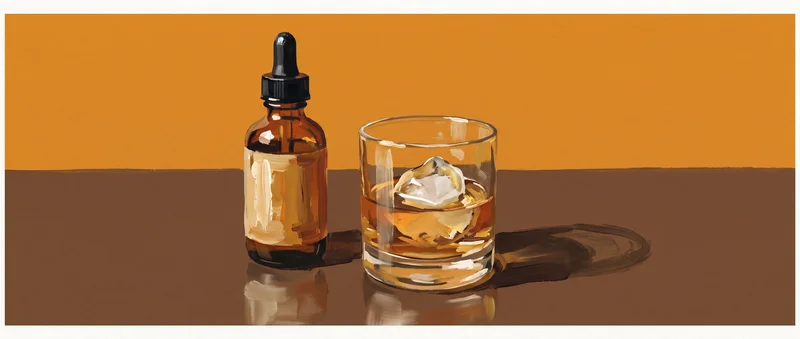
Cocktail bitters like Angostura, Peychaud's, and orange bitters are always used by the dash because they are extremely concentrated. Two to three dashes is standard. Bitter liqueurs like Campari, Fernet, and amari are used by the ounce because they are diluted and sweetened. The distinction is simple: if it comes in a small bottle with a dasher top, use dashes. If it comes in a full-size bottle, use ounces.
How do I pair bitters with spirits?
The classic pairings work because of complementary flavors. Aromatic bitters with whiskey: the warm spices in both amplify each other. Orange bitters with gin: citrus bridges the botanical gap. Chocolate bitters with aged rum or bourbon: cacao and barrel notes are natural partners. Peychaud's with rye: the cherry-anise profile complements rye's spice. Start with these pairings, then experiment.
How do I build flavor with bitters?
Think in layers. Start with the base spirit, which provides body and primary flavor. Add the modifier (vermouth, liqueur, citrus), which provides structure. Then add bitters, which provide the aromatic top note and tie everything together. This is why bitters are often added last in a build: they sit on top of the flavor profile and are the first thing the nose meets. Experiment by making the same drink with different bitters to see how the top note changes.
What are common mistakes when using bitters?
The most common mistake is using too little. One dash rarely makes a difference; two to three is where the flavor registers. The second mistake is only owning Angostura. It is essential but limited. Adding orange bitters and one specialty bottle (chocolate, celery, or cardamom) widens the range considerably. The third mistake is forgetting to account for bitters when balancing sweetness. Bitters add perceived bitterness, so drinks with more bitters may need slightly more sweetener.
Can I use bitters in non-cocktail drinks?
Absolutely. A few dashes of Angostura in sparkling water creates a simple, satisfying non-alcoholic drink. Orange bitters in a glass of champagne is an elegant aperitif. Chocolate bitters in coffee add aromatic complexity. Bitters in lemonade or iced tea add depth without alcohol impact. They work anywhere a drink needs aromatic complexity.
How much is a dash of bitters?
A dash is roughly 0.6 to 0.9 ml, an eighth of a teaspoon or so, produced by one quick, firm shake of the bottle. Two to three dashes is the standard measure for an Old Fashioned or Manhattan. Precision matters less than consistency: dash, stir, taste, and add another if the drink needs more spice and structure.
Explore more
Other Guides
Beer Cocktails: A Field Guide
Beer cocktails from the Michelada to the Fernet and IPA: Snakebite, Shandy variations, and how amari behave with beer.
Cooking with Bitters: A Practical Guide
Bitters in the kitchen: savory and sweet applications, dosing, standing in for extracts, and which brands hold up to heat.
Make Your Own Bitters: Orange, Aromatic, Chocolate & More
How to make bitters at home: base spirit, bittering agents, how long to infuse, and step-by-step orange, aromatic and chocolate bitters recipes.