Cooking with Bitters: A Practical Guide
Bitters belong on the spice rack as much as the bar cart. A few dashes of Angostura in whipped cream, chili, or a marinade brings the warmth of cinnamon, clove and allspice at once.
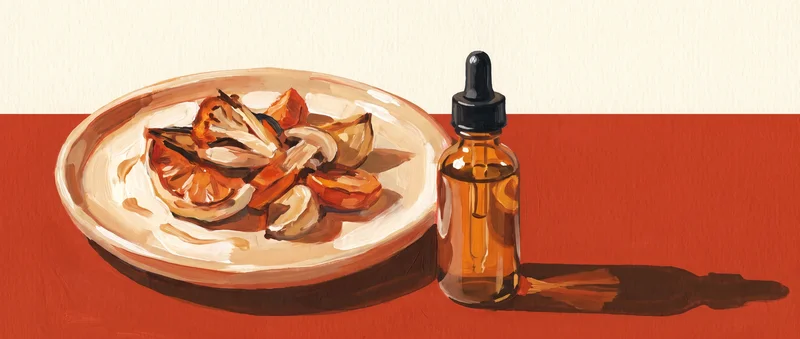
Why cook with bitters?
Bitters are a concentrated extract of botanicals, spices, and bittering agents. In a cocktail they season a drink the way salt seasons food. In cooking they serve the same function: a few dashes add depth, warmth, and aromatic complexity that would otherwise require multiple spices. Angostura has actively promoted its bitters as a culinary ingredient in Trinidad and Tobago for decades, publishing official recipes for everything from marinades to ice cream. The flavor delivery is efficient: one dasher top replaces a pantry of cinnamon, clove, allspice, and gentian.
What dishes benefit from bitters?
Savory applications: add Angostura to chili, barbecue sauce, meat marinades, braises, and gravy. It deepens the bass notes the way a dash of soy sauce or Worcestershire does. Sweet applications: add a few dashes to whipped cream, vanilla ice cream, chocolate ganache, caramel, poached pears, or fruit compotes. Aromatic bitters and chocolate bitters are especially good in baking. Drinks beyond cocktails: coffee, hot chocolate, sparkling water, and lemonade all take bitters well. Angostura whipped cream on a mug of hot chocolate is a Trinidadian tradition worth adopting.
How much should I add?
Treat bitters like a pungent spice. For a sauce or batter serving four, start with four to six dashes, taste, and adjust. For whipped cream or ice cream, two or three dashes per cup of dairy is usually enough. Because the alcohol content is high (around 45 percent ABV for most aromatic bitters), the flavor reads much stronger than the volume suggests. Some of the alcohol cooks off during a reduction or a bake and a good deal of it does not, so treat the dish as containing what went into it. The botanical flavor stays either way.
Can I substitute bitters for extracts?
Often yes, with adjustment. Chocolate bitters can replace part of a vanilla extract measurement in baking, adding cacao depth without sweetness. Orange bitters stand in for orange zest when the aroma is wanted but not the texture. Aromatic bitters replace a pinch of cinnamon, clove, and allspice combined. The main caveat is alcohol: most bitters are closer to a tincture than an extract, so dial back other liquids slightly when swapping in.
Which bitters work best in cooking?
Angostura aromatic bitters are the default for savory work, with enough warmth to stand up to meat and tomato. Fee Brothers Aztec Chocolate is outstanding in desserts, caramel, and mole-style sauces. Orange bitters are useful in baking, vinaigrettes, and citrus marinades. Peychaud's anise-forward profile pairs well with fruit sorbets and cherries. Avoid obscure single-botanical bitters in cooking until their behavior is familiar; the blends are more forgiving because the flavor is already balanced.
Can you put bitters in coffee?
Yes — it is an old habit in Trinidad and New Orleans. One or two dashes of aromatic bitters in black coffee add clove and cinnamon depth, and chocolate bitters work in a latte or mocha. The alcohol per dash is negligible. Start with one dash; bitters concentrate quickly in hot drinks.
How do you use bitters in baking?
Treat aromatic bitters like vanilla extract: a quarter to half teaspoon in chocolate cakes, brownies, spice cookies, or whipped cream. The botanicals read as warm spice once baked. Angostura whipped cream is the classic gateway use, a few dashes folded into softly whipped cream.
Explore more
Other Guides
Make Your Own Bitters: Orange, Aromatic, Chocolate & More
How to make bitters at home: base spirit, bittering agents, how long to infuse, and step-by-step orange, aromatic and chocolate bitters recipes.
Bitters Substitutes: What Swaps Cleanly and What Does Not
Substituting bitters: what stands in for Angostura, Peychaud's, Campari and Fernet-Branca, and the recipes where nothing does.
How to Make Amaro at Home: Infusing and Sweetening
How to make amaro at home: the infusion, the bittering agents, how much sugar a homemade bitter liqueur takes, and where the craft parts ways with making bitters.