
Rich & Warming warming herbal digestivo
Jägermeister
German herbal liqueur with 56 botanicals
Historical Context
Created in 1934; the German herbal spirit with the widest reach outside Germany
What Does Jägermeister Taste Like?
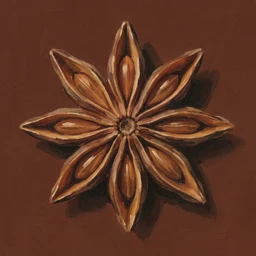
Sweet and syrupy when cold, with licorice and anise over a complex herbal-and-citrus base and a warming spice finish. The bitterness is mild — served ice-cold, it drinks smooth and aromatic.
Recipes with Jägermeister
Guides
FAQ
How do you drink Jägermeister?
The canonical serve is an ice-cold shot — the brand's own tap machines hold it at minus eighteen degrees, which tightens the syrupy texture and mutes the sweetness. Beyond shots it behaves like any herbal liqueur: try it lengthened with ginger beer and lime in a Jäger Mule, or sipped slowly over one large cube the way you would an amaro.
What type of alcohol is Jägermeister?
A German Kräuterlikör (herbal liqueur) built from 56 botanicals including star anise, citrus peel, ginger, and saffron, bottled at 35% ABV. It is often miscalled a schnapps; in character it sits firmly in the amaro family: bittersweet, spiced, and syrup-bodied.
What is Jägermeister made of?
Jägermeister is made from 56 botanicals: herbs, blossoms, roots, and fruits. They are macerated and then aged in oak for about a year before blending. It bottles at 35% ABV. First sold in Wolfenbüttel, Germany, in 1935, it is traditionally served ice-cold.
Related Liqueurs
Bottles that share a flavor profile