Alpine Amari: Génépy, Braulio and Mountain Herb Liqueurs
Alpine amari are built on herbs that grow above the tree line, and they taste of it: pine, wild flowers, bitter roots. The Alps came first and other ranges borrowed the idea.
What is an alpine amaro?
An amaro built on herbs from high ground: pine and fir, wild flowers, gentian and wormwood dug above the tree line. The style is drier and greener than the caramel-heavy amari of the south, and the bitterness reads as resin and root rather than burnt sugar. Braulio, from the mountains of Lombardy, is the reference bottle.
What is génépy and what does it taste like?
Génépy is made from alpine wormwood, a small silver-leaved artemisia that grows on scree at altitude and is protected in most of the range. The liqueur is pale, lightly sweet and strongly herbal, closer to Chartreuse than to a dark amaro, and it finishes dry. Dolin's Génépy le Chamois is the version most easily found outside the Alps.
Are all mountain amari alpine?
No, and the label is looser than it looks. Braulio comes from Lombardy and Cappelletti's Amaro Pasubio from the Dolomites, which are the Alps proper. Amaro Tosolini is Friulian, at the eastern edge. Demänovka is Slovak and comes from the Tatras, Varnelli's Amaro Sibilla from the Sibillini in the Apennines, and Leopold Bros Three Pins is made in Colorado. They share a method and a plant list rather than a mountain range.
What is a vino-amaro?
An amaro built on a wine base instead of a neutral spirit, which lands it around 16 to 18 percent rather than 30. Cappelletti's Amaro Pasubio is the alpine example, macerated with wild blueberry and mountain pine. The lower strength changes how it is used: a vino-amaro can carry a spritz or be drunk on its own in a quantity that would be punishing with a spirit-based bottle.
How are alpine amari served?
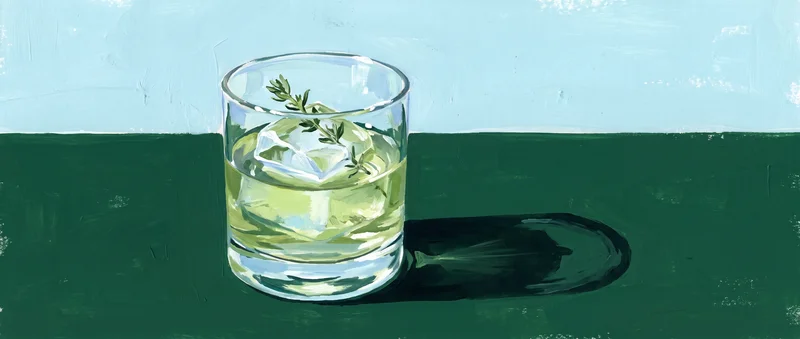
Traditionally neat and cold after a meal, which is where the digestivo custom sits, and in the mountains that often means straight from a bottle kept outside. They also take ice and soda well, because the pine and citrus survive dilution better than a heavy caramel amaro does. In cocktails they turn up wherever a dry herbal note is wanted: Génépy on the Rocks, Agave Gracias on Braulio, Pasubio and Coke, and the Colorado Cider on Three Pins.
Explore more
Other Guides
Quinquina and China: The Cinchona Aperitifs
Quinquina and china aperitifs: Byrrh, Cocchi Americano, Cap Corse and Bonal, what cinchona bark does, and why most of them are wine based.
Kräuterlikör and Kruidenbitter: Northern Europe's Herbal Liqueurs
Kräuterlikör and kruidenbitter: what German and Dutch herbal liqueurs are, how they differ from amaro, the bottles that define them and how they are served.
Amaro Guide: Italian Bitter-Sweet Liqueurs
Amaro: the main Italian styles, how each is drunk, the essential cocktails, and which bottles to try first.