What Is an Aperitif? Meaning, Examples and How to Serve One
An aperitif (aperitivo in Italian) is a light, usually bitter or dry drink served before a meal: the traditional opening move of a European evening. The word comes from the Latin aperire, "to open". Vermouth, Campari, Aperol, dry sherry, and gentian liqueurs like Suze are all classic aperitifs.
What does aperitif mean?
From the Latin aperire, "to open". An aperitif is the drink that opens the evening — served before dinner, traditionally believed to awaken the appetite. The custom is strongest in Italy and France, where the pre-dinner hour has its own name, rituals, and snacks.
How do you pronounce aperitif?
Ah-pair-ih-TEEF. The Italian form is aperitivo (ah-peh-ree-TEE-voh), the Spanish aperitivo, and the French apéritif — all from the same Latin root. In Italy the word names both the drink and the social hour around it.
What are good examples of aperitifs?
Four families cover it. Bitter liqueurs: Campari, Aperol, Suze, Salers. Aromatized wines: dry vermouth, Lillet Blanc, Cocchi Americano. Dry fizz: brut prosecco, Champagne, or a Spritz built on either. Fortified wine: fino or manzanilla sherry. What unites them is lightness, dryness, and usually a bitter edge.
What is the difference between an aperitif and a digestif?
Timing and weight. Aperitifs come before the meal: light, dry, gently bitter. Digestifs come after: darker, sweeter, stronger — amari, fernet, brandy. Many Italian bottles state their allegiance on the label, and some, like sweet vermouth, happily play both roles.
Is aperitif a wine or a liqueur?
It can be either — the word names the occasion, not a product category. Aperitif wines (vermouth, quinquinas like Lillet) are wine-based and lower in alcohol; aperitivo liqueurs (Campari, Aperol, gentian liqueurs) are spirit-based and more intense. Both are poured before dinner, often over ice with a twist.
What glass do you use for an aperitif?
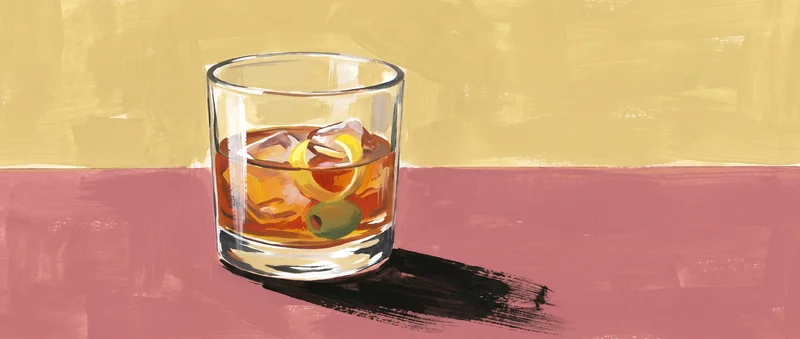
Neat or on the rocks: a small stemmed glass or a rocks glass with a single large cube. Spritzes and other built drinks: a large wine glass full of ice. Whatever the vessel, serve it cold — chill the glass, the bottle, or both.
What are easy aperitif cocktails?
The Spritz family first: Aperol Spritz, the more bitter Campari Spritz, and the Hugo — prosecco, elderflower, mint, and soda, the gentle non-bitter cousin from the Alps. Beyond those: the Americano (Campari, sweet vermouth, soda), bitters and soda, or simply dry vermouth over ice with an olive. None takes more than two minutes.
When is aperitivo time?
In Italy, roughly six to eight in the evening — after work, before dinner. Bars set out snacks, the drinks stay light, and the point is the pause as much as the glass. Adopting the ritual at home takes nothing more than a bottle, ice, and the discipline to stop at one or two.
What are the best aperitifs to serve before dinner?
For most tables: Aperol if the crowd is new to bitter drinks, Campari for those who are not, dry vermouth or Lillet Blanc straight from the fridge, and fino sherry for the wine-minded. Hosting a party? One bottle of bitter liqueur plus prosecco and soda covers everyone — that is the whole Spritz formula. Serve everything cold, in small pours, with something salty alongside.
What is the difference between a spritz and a spritzer?
A spritz is the Italian aperitif: bitter liqueur, prosecco, and a splash of soda — the Aperol Spritz is the template. A spritzer is simpler and older than its trendy cousin: dry white wine lengthened with sparkling water, nothing bitter about it. To make one, pour three parts chilled white wine over ice and top with one part soda. For the pre-dinner edge, reach for the spritz.
Explore more
Other Guides
Alpine Amari: Génépy, Braulio and Mountain Herb Liqueurs
Alpine amari and génépy: what mountain herb liqueurs are, where they come from, how a vino-amaro differs, and the bottles that define the style.
Quinquina and China: The Cinchona Aperitifs
Quinquina and china aperitifs: Byrrh, Cocchi Americano, Cap Corse and Bonal, what cinchona bark does, and why most of them are wine based.
Amaro Guide: Italian Bitter-Sweet Liqueurs
Amaro: the main Italian styles, how each is drunk, the essential cocktails, and which bottles to try first.