The Craft Bitters Revival: How Artisanal Bitters Came Back
For most of the twentieth century, cocktail bitters were nearly a dead category — a handful of dusty bottles behind the bar. Then, in the 2000s, the craft cocktail movement brought them roaring back.
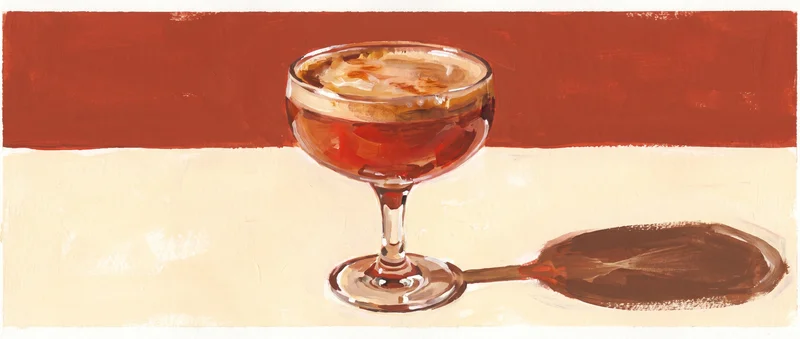
The craft bitters revival is the resurgence of small-batch, artisanal cocktail bitters that began in the mid-2000s and continues today. For decades only a few brands survived: Angostura, Peychaud's and Fee Brothers among them. Most bars kept a single dusty bottle. As the craft cocktail movement rediscovered pre-Prohibition drinks, demand for bitters exploded, and a wave of new producers began making aromatic, orange, and wildly experimental bitters by hand. Today dozens of independent makers sell hundreds of expressions, turning bitters from an afterthought back into an essential.
Why did cocktail bitters almost disappear?
Two forces nearly killed them. First, Prohibition shut down the American cocktail culture that bitters depended on, and many nineteenth-century brands, sold at the time as patent medicines, vanished when the drinks did. Second, the mid-century turn toward simple spirit-and-mixer highballs left little use for a dasher bottle. By the 1980s the category had contracted to a few survivors, with Angostura the lone name most bars stocked. The knowledge of what bitters were for faded along with the classic recipes that once called for them.
Who started the modern bitters renaissance?
The turning point came in the 2000s. Bartenders reviving pre-Prohibition cocktails found the old recipes demanded bitters no one still made, so a few began making their own. Gary Regan's Orange Bitters No. 6, released in 2005, gave the movement an early rallying point. The Bitter Truth, founded in Germany in 2006 by two bartenders, was among the first to sell a full artisanal range internationally. Fee Brothers, a family firm that had quietly survived since the 1860s, suddenly found its catalog in demand again.
What makes a bitters producer craft or artisanal?
It is a matter of scale and intent rather than a legal term. Craft producers work in small batches, macerating their own botanicals rather than buying flavor concentrates, and they treat bitters as a creative medium. Where the legacy houses offered essentially two styles, aromatic and orange, artisanal makers built ranges around single ideas: mole, celery, grapefruit, rhubarb, black walnut, smoked chili. Many are bartender-founded and sell straight to the trade. The result is enormous variety, though it also means quality and consistency vary more than they did with the old industrial brands.
Which craft bitters makers should I know?
A few names anchor the category. Bittermens, out of Brooklyn and New Orleans, popularized the Xocolatl Mole bitters that turn up in modern classics. Bittercube in Milwaukee and Scrappy's in Seattle built respected aromatic and single-flavor ranges. Dr. Adam Elmegirab in Scotland reconstructs historical formulas from the golden age of the cocktail. Miracle Mile, Dashfire, and Hella round out an American scene that now spans coast to coast, while Australia's Applewood presses native botanicals into its bottles.
Are home bartenders making their own bitters again?
Yes, and the home tinctures are part of the same revival. The same curiosity that drove the commercial boom pushed enthusiasts to build tinctures at home, steeping gentian, citrus peel, and spices in high-proof spirit and blending the results to taste. Kits, ingredient suppliers, and detailed recipes are now easy to find, and a homemade bottle has become a common gift among cocktail obsessives. Making a batch at home is the shortest route to understanding what bitters actually do, and to a flavor no brand sells.
Explore more
Other Guides
Cocktail Bitters vs Bitter Liqueurs: What's the Difference?
The difference between cocktail bitters and bitter liqueurs like amaro: how they are made, how they are used, and when to reach for each one.
Amaro and Food: The Italian Pairing Tradition
Amaro at the table: regional Italian traditions, cheese and amaro, cooking with it, and which bottles suit which courses.
Fernet Culture: The Handshake, the Boilermaker, and the Ritual
Fernet Branca as ritual: the bartender's handshake, the IPA boilermaker, espresso con Fernet, and the Argentine Fernet and Coke.