Non-Alcoholic Bitters Guide: What They Are and How to Use Them
Non-alcoholic bitters are for drinks that must contain no alcohol at all, including the trace a few dashes of a standard bottle would add. They are used in the same quantities and at the same point in a build as the alcoholic kind.
Non-alcoholic bitters replace the high-proof spirit base with glycerin, vinegar, or water-based extraction methods. The result is a concentrated botanical flavoring with zero or negligible alcohol content. They allow people who avoid alcohol to add the same complexity and depth to their drinks that traditional bitters provide to cocktails.
How are non-alcoholic bitters made?
Instead of macerating botanicals in neutral spirit, non-alcoholic bitters use vegetable glycerin or apple cider vinegar as the extraction medium. Glycerin-based bitters tend to be slightly sweeter and thicker. Vinegar-based versions have a sharper edge. Some producers use a hybrid approach or water-based extraction with heat. The botanical ingredients are the same as traditional bitters.
Can I use non-alcoholic bitters in mocktails?
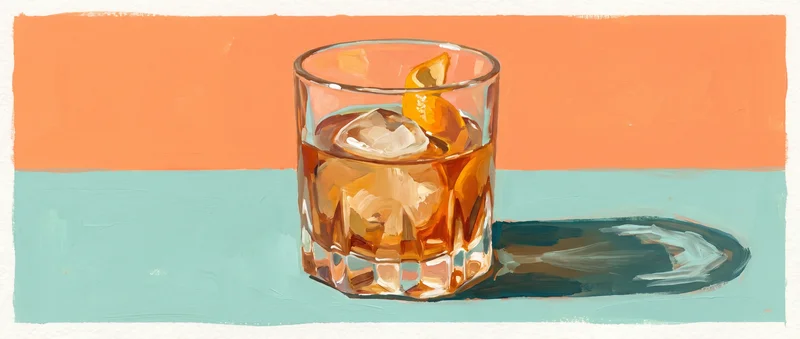
Absolutely. Non-alcoholic bitters are specifically designed for this purpose. A few dashes of aromatic non-alcoholic bitters in a virgin Old Fashioned with simple syrup and soda water creates a surprisingly satisfying drink. They also work in shrubs, sodas, sparkling water, and any non-alcoholic cocktail that needs aromatic depth.
Are regular bitters really alcoholic?
Yes. A traditional aromatic bitters is usually around 44% alcohol by volume, on a par with a spirit. The category is wider than that reputation suggests: Fee Brothers bottles its aromatic at 17.5% and Angostura Orange sits at 28%. However, because they are used in such small quantities (a few dashes per drink), the actual alcohol contribution to a cocktail is minimal. That said, for people who strictly avoid all alcohol for health, religious, or personal reasons, non-alcoholic bitters are the appropriate choice.
Explore more
Other Guides
Herbal and Savory Bitters Guide
Celery, root and botanical bitters: what the savory end of the shelf tastes like, and the drinks it belongs in.
Orange Bitters Guide: Brands, Cocktails and Substitutes
Orange bitters: the brands, the Martini and Old Fashioned variations they define, the substitutes, and how they are made.
Aromatic Bitters Guide: History, Brands and Cocktails
Aromatic bitters from Angostura onward: the history, the brands worth knowing, and the whiskey cocktails built on them.