French Gentian Aperitifs
French gentian aperitifs are a distinctive family of bitter liqueurs built around the gentian root, a mountain plant that produces one of the most intensely bitter flavors found in nature. Suze, Salers, and Bonal each express that bitterness differently, and the White Negroni put the first of them on bar menus worldwide.
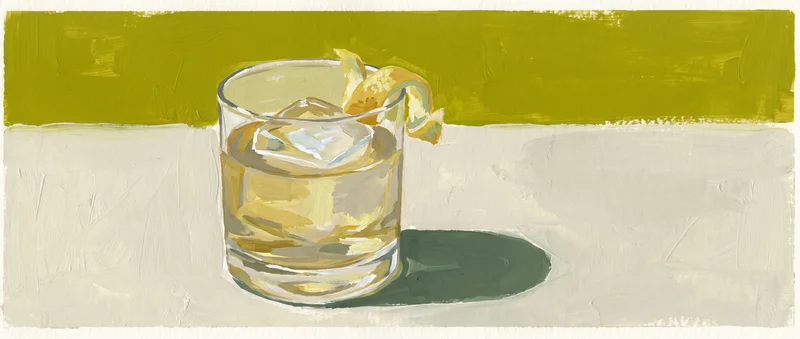
What is gentian and why does it matter?
Gentian is a yellow-flowering mountain plant whose root produces one of the most intensely bitter flavors in nature. It is the backbone of many European aperitif traditions. In France, gentian root is the defining ingredient in Suze, Salers, and the gentian component of Bonal. The flavor is earthy, vegetal, and bracingly bitter with a distinctive mustard-yellow color. For drinkers accustomed to Campari's fruity bitterness, gentian offers a rawer, more primal bitter experience.
How do Suze, Salers, and Bonal differ?
Suze (15% ABV) is the most well-known, with a balanced gentian bitterness softened by floral notes. It works in cocktails and on its own. Salers (16% ABV) is more rustic and purely bitter, made in the volcanic Auvergne region with minimal sugar. It is closer to the raw gentian experience. Bonal (16% ABV) is a gentian-quina aperitif wine, meaning it combines gentian with cinchona bark on a wine base. It is richer, more complex, and has prune-like sweetness alongside the bitterness.
What cocktails use French gentian aperitifs?
The White Negroni is the best-known gentian cocktail: gin, Suze, and Lillet Blanc in equal parts. It reimagines the Negroni with a completely different bitter profile. The Suze Spritz (Suze, Prosecco, soda) is a simple aperitivo serve. Bonal works as a vermouth substitute in Manhattans and Negronis for added complexity. Salers is best served simply with tonic water or soda, where its pure bitterness can shine without distraction.
Why are gentian aperitifs becoming more popular?
The craft cocktail revival has driven interest in bitter flavors beyond Campari and Aperol. Gentian aperitifs offer a different kind of bitterness: more earthy, more vegetal, less fruity. The White Negroni's rise as a modern classic put Suze on thousands of bar menus. Gentian liqueurs add a serious bitter backbone without the color and sweetness of the Italian aperitivi. They also appeal to drinkers who find Campari too sweet.
Where should I start with gentian aperitifs?
Suze is the most accessible and versatile of the three, and it is the one a White Negroni calls for. Try it first on ice with a lemon twist to understand the gentian flavor on its own terms. For more of that raw bitterness, Salers is an even more austere expression. For more complexity and richness, Bonal has a wine-like body that gentian-only liqueurs lack.